Chapter Contents
- The Importance of Understanding Child Development and Children’s Needs
- Typical Patterns of Development (developmental milestones)
- Areas of Development
- Importance of Relationships and Interaction
The Importance of Understanding Child Development and Children’s Needs
Understanding individual needs
Whilst we often hear about developmental milestones, and child development is typically framed in terms of ages and school years. However, children’s achievements are very individual and personal to them and genetics, life experiences and personality all have an influence on them. It is often not helpful, and can be harmful to a child’s self-esteem to compare children as it raises expectations and anxiety. Instead, think about the child’s personal needs and goals in each area of development and celebrate their successes, however small they might seem.
Recognising the impact of early experiences
Early experiences of neglect, abuse and trauma impact all areas of development. Children’s experiences influence their expectations, trust in adults, self-image and self-esteem, attitudes and behaviour. The effects of experiences are very personal, can be unpredictable and are often resistant to change. Change requires consistent, non-judgemental care that is sensitive to the child’s past and tailored to individual needs.
Raising concerns
When you understand the expected path of development, and the normal boundaries of developmental milestones, you are in a good position to notice when something is of potential concern. A child’s speech development might be delayed, they might be having difficulty reading or writing, or perhaps they cannot tell the time when other children the same age can. They might not have been taught certain key skills or could be an underlying disability. Keep clear records of children’s progress and achievements, and report any concerns to your supervising social worker.
Helping children achieve their potential
Recognising children’s individual needs and challenges, and offering personalised experiences and opportunities helps children to develop self-esteem and confidence as they grow and achieve.
Typical Patterns of Development (developmental milestones)
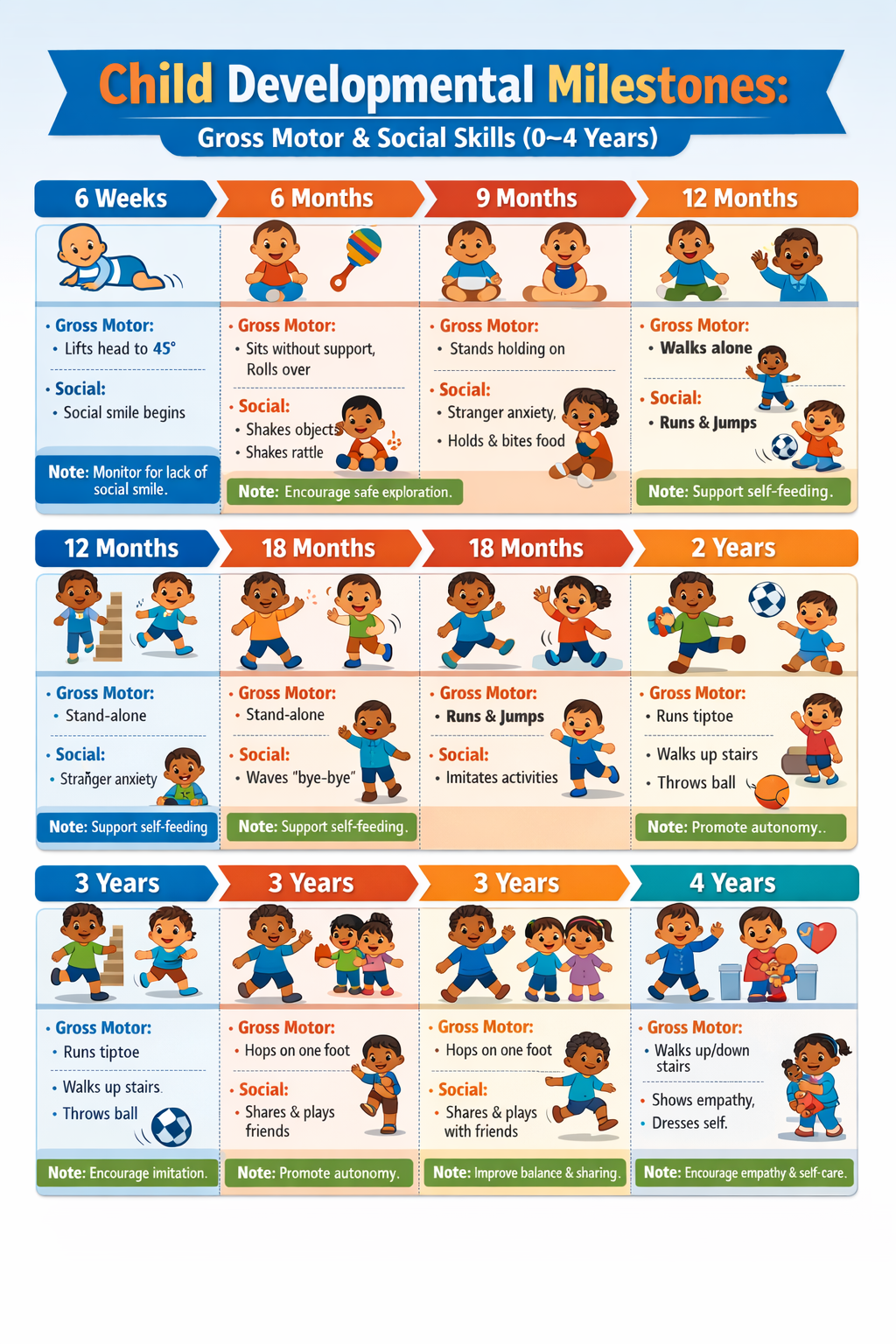
Patterns of development and milestones are skills that we expect to see in each child. Each child develops at their own rate so there are age ranges during which we expect to see these skills develop.
Development occurs most rapidly during the first five years of life, and then again during puberty.
Adverse childhood experiences can negatively impact child development and care-experienced children may have delays in meeting expected milestones. Often we see that the child’s emotional age is lower than their chronological age. Having knowledge of the broad milestones helps identify a child’s support needs and progress. If a child is not meeting developmental milestones, and is not making progress, it may be as a result of adverse life experiences but we must also consider whether we need to request investigations into organic/medical needs which may in turn provide access to additional support in school.
Areas of Development
Physical development
Physical development has two areas: gross motor (e.g. running, jumping, throwing and catching) and fine motor (e.g. holding a pen, using a knife and fork, fastening buttons). Puberty also involves aspects of physical development as part of sexual maturity.
Intellectual/Cognitive development
This concerns the child’s ability to think, understand and solve problems. These skills help children develop an awareness of risk, learn and engage with employment, and look after themselves and others.
Communication and language development
These skills are initially important for communicating needs when in a state of dependence. As children grow, language skills are central to maintaining good relationships, learning and understanding.
Personal, social and emotional development
The child’s first relationship is with their birth family, and this provides a foundation for all future relationships. Where this relationship has not met their needs, this can impact trust, self-esteem and resilience. In foster care, we work on developing a ‘Secure Base’ and understand the importance of emotional attachment and impact of separation and loss on emotional and mental health. Relationships are crucial to a child’s wellbeing.
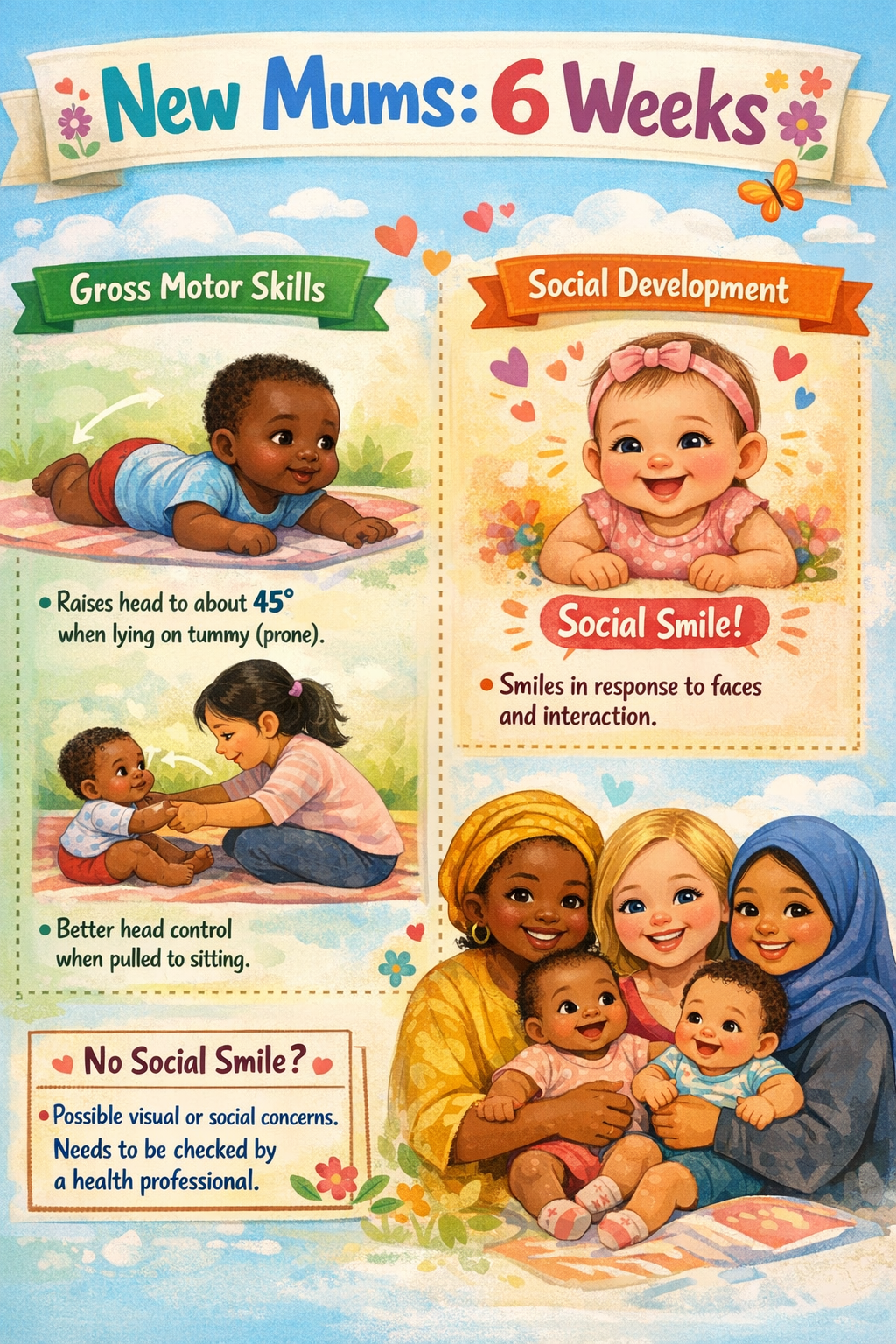
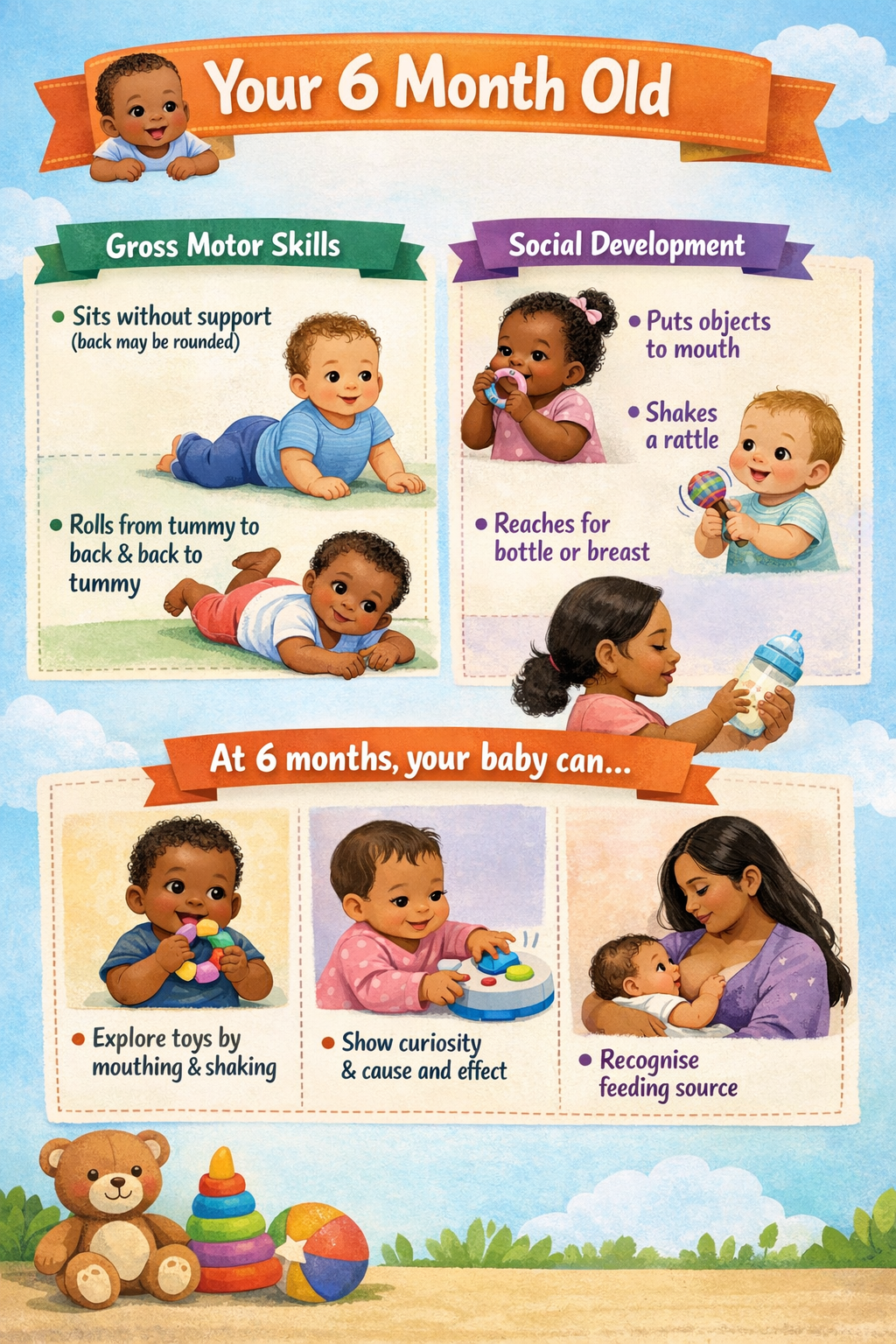
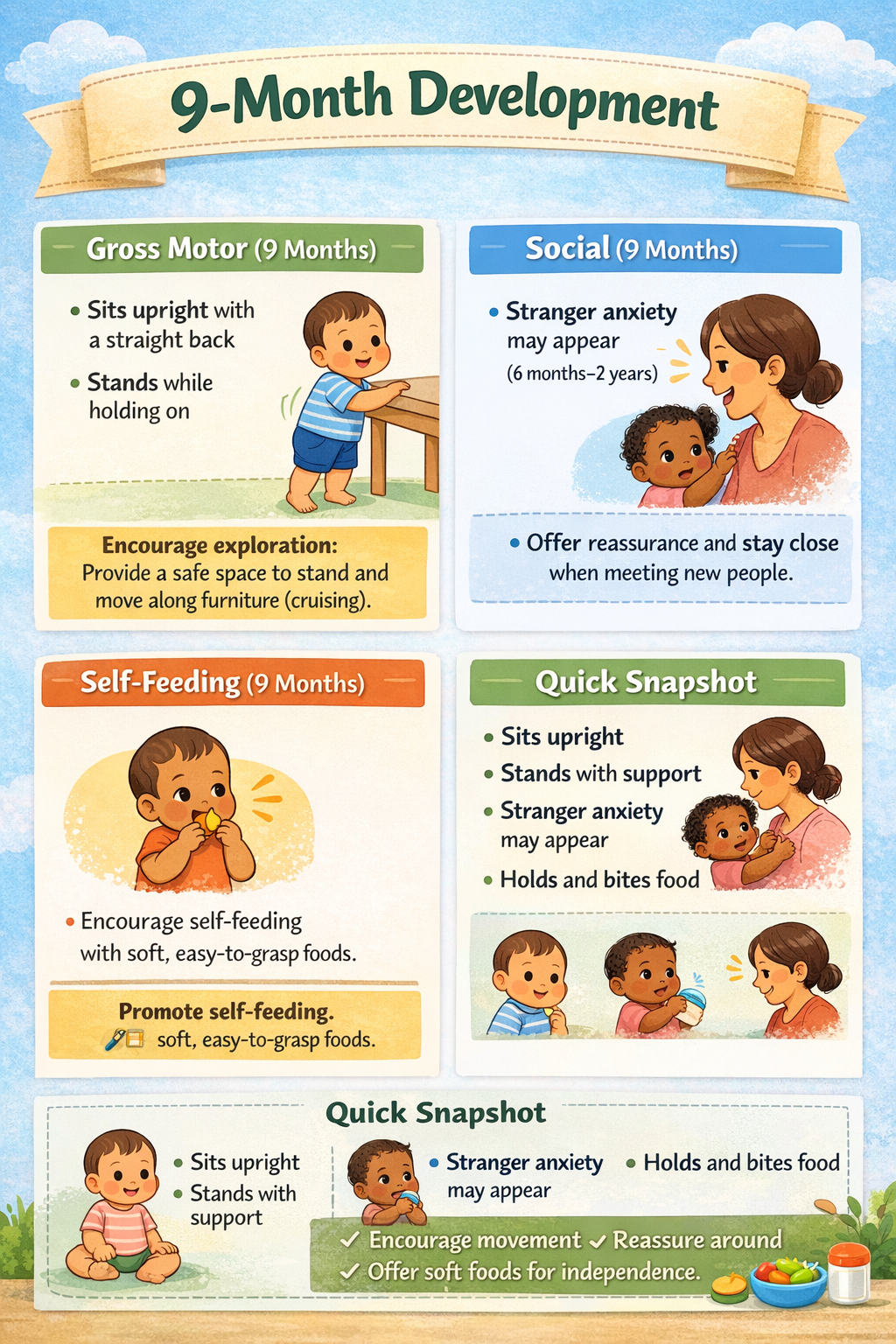
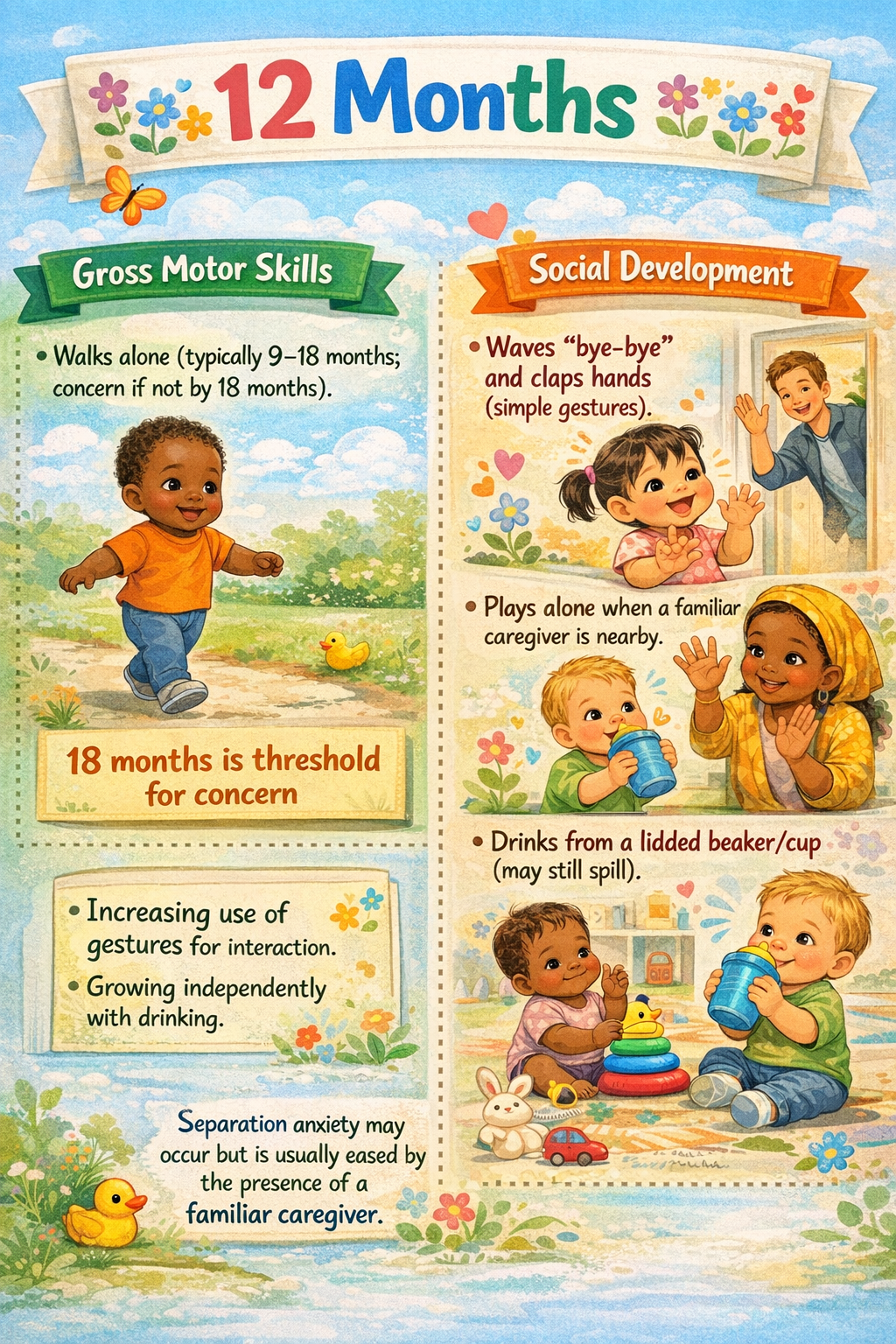
Here are some posters that illustrate key developmental milestones at different ages.
Importance of Relationships and Interaction
Healthy brain development
Interaction between children and their families is crucial to development and helps children to meet their developmental milestones. This video gives a brief explanation why:
Children’s brains are always receptive to interaction and new experiences and high-quality nurturing experiences in foster care can help children who have experienced early neglect to overcome the challenges they face and achieve good long-term outcomes.
The foster parent’s role is to provide opportunities for children to develop trusting relationships and secure attachments. Take time to get to know the child and understand their needs, and aim to incorporate time to talk, play, learn and relax together in your family’s daily routine.